

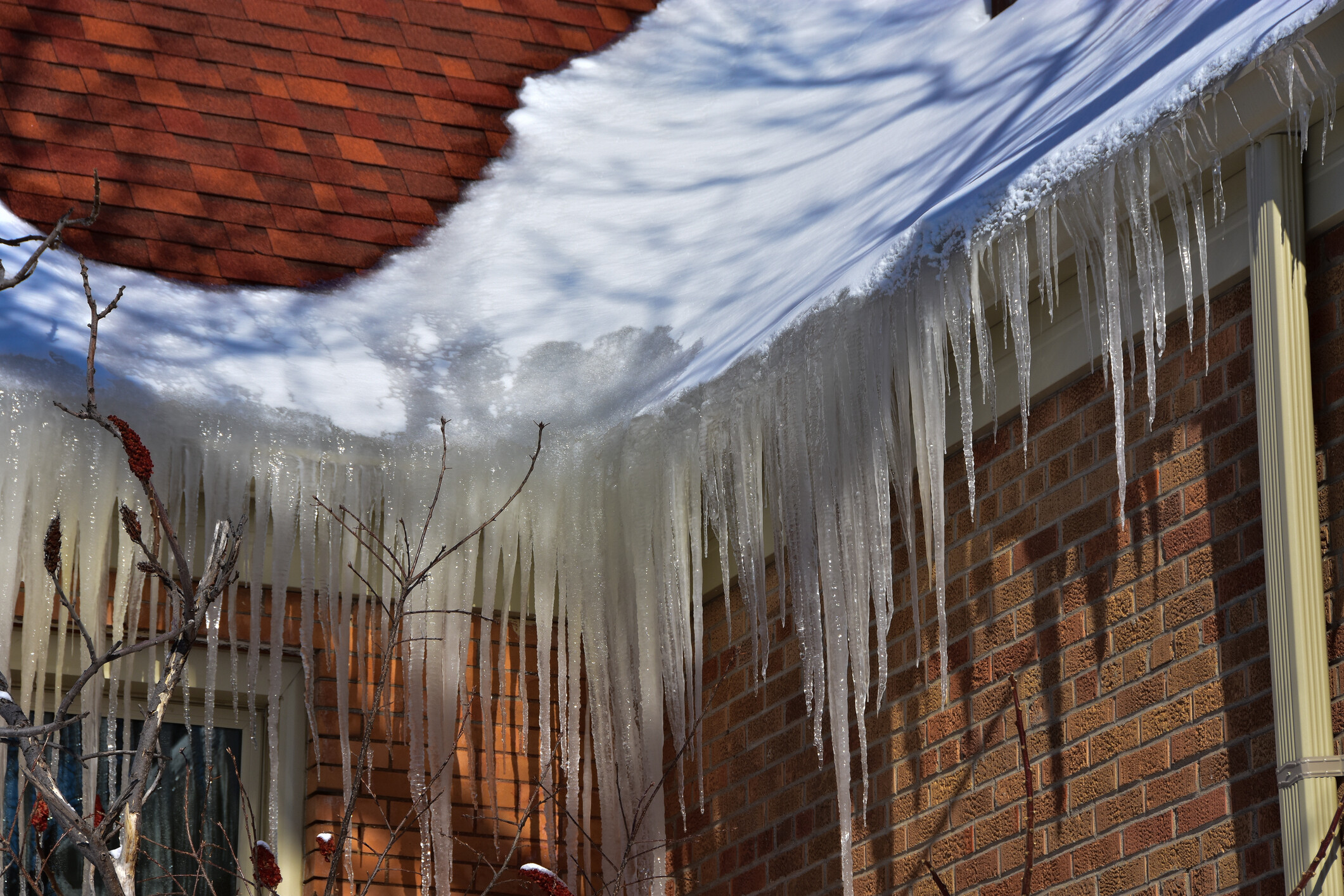
Winter in southeastern Connecticut can be brutal for homeowners. Ice dams forming along your roof edges or hidden roof leaks can lead to extensive water damage—affecting ceilings, walls, insulation, flooring, and personal property. Even when you file a claim, insurance companies sometimes dispute the damage, delay payments, or underpay settlements. Taking the right steps quickly can make all the difference.
Step 1 – Protect Your Home Immediately
Why it matters:
When water starts leaking inside your home, the first priority is preventing further damage. Place containers under leaks, move furniture and personal belongings away from wet areas, and cover exposed floors or valuables if possible.
CT-specific tip:
Southeastern Connecticut often experiences ice dam formation on older roofs. Even a minor thaw can suddenly release water into the home, so early mitigation is crucial. Document any temporary fixes you make—they show the insurer you acted responsibly.
Step 2 – Document Every Detail
Why it matters:
Photos and videos are your strongest evidence if your claim is disputed. Capture:
-
Water stains on walls, ceilings, and floors
-
Damaged insulation, trim, or drywall
-
Affected personal property
Take multiple angles and include wide shots to show the scope. Maintain a written timeline noting when damage was discovered, what steps you took, and when you contacted your insurance company.
CT-specific tip:
Hidden damage from ice dams may not be visible immediately. Comprehensive documentation now prevents disputes over mold or structural issues discovered later.
Step 3 – Notify Your Insurance Company Promptly
Why it matters:
Insurance policies generally require claims to be reported “as soon as practical.” Delays can complicate your case or even provide the insurer an excuse to deny coverage.
Tip:
Call your insurer, file the claim online if available, and keep a record of all communications. Note the date, time, and name of the representative you speak with.
Step 4 – Save Receipts and Invoices
Why it matters:
Keep records of temporary repairs, contractor services, or any mitigation costs. Insurance companies often reimburse for these expenses, but only with proper documentation.
Tip:
Even small purchases—like tarps, buckets, or cleaning supplies—should be documented and saved. Every receipt adds weight to your claim.
Step 5 – Obtain Written Contractor Estimates
Why it matters:
Your insurance adjuster’s initial estimate may not capture the full cost of repairs. Licensed contractors can provide written estimates for comprehensive repair work. These documents support your claim for a fair payout.
Tip:
If multiple contractors provide estimates, keep them all. This demonstrates diligence and protects you if the insurer disputes repair costs.
Step 6 – Keep a Timeline of Events
Why it matters:
A detailed timeline clarifies what happened and when. Note the discovery of damage, mitigation efforts, communications with contractors, and insurer interactions.
Tip:
Even a simple daily log on your phone or notebook can be invaluable if disputes arise.
Step 7 – Preserve All Communications
Why it matters:
Save emails, letters, and notes from phone calls. This ensures you have proof of everything the insurer said or promised.
Tip:
Organize your communications in a folder or digital file for easy reference. This step can make or break a disputed claim.
When to Speak With an Attorney
If your claim is delayed, denied, or underpaid, contacting a Connecticut property damage insurance attorney can help you understand your rights and pursue a fair settlement. Attorney T.J. Morelli-Wolfe specializes in ice dam, roof leak, burst pipe, water damage, and storm-related claims in southeastern Connecticut.
Learn more about how we can help with your Property Damage Insurance Claim or call 860-859-9899 to discuss your situation.